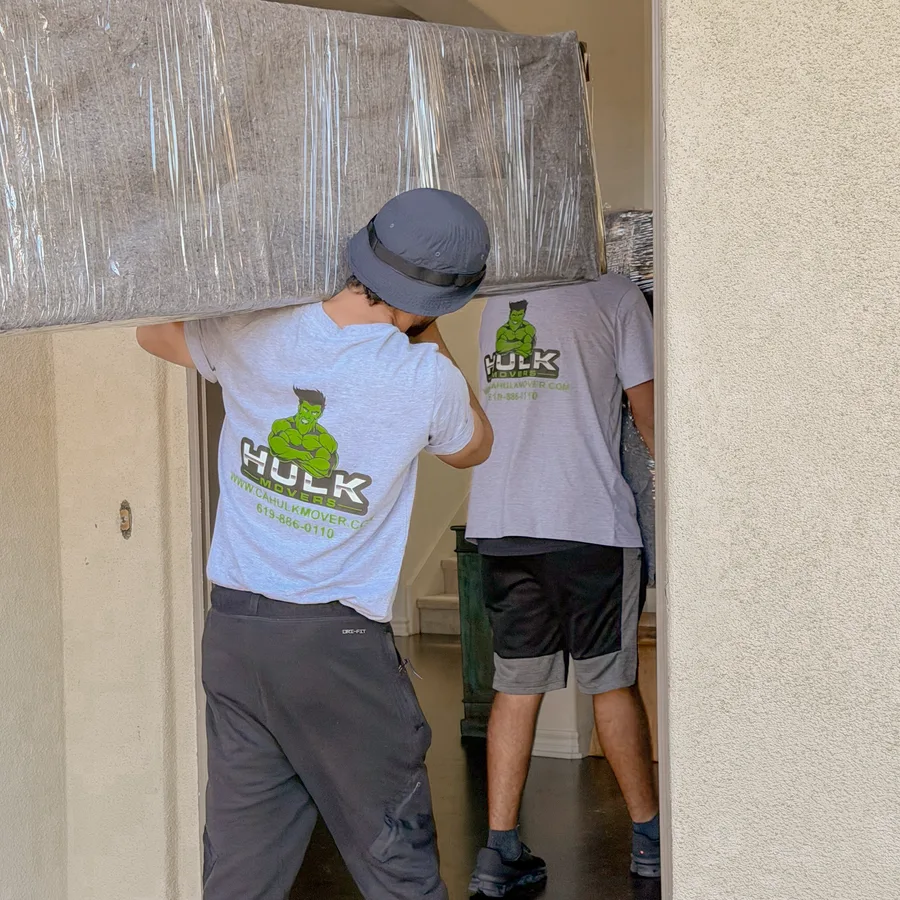
Professional movers work quickly, but they can only move as fast as your house lets them. A home that isn't ready when the crew arrives means waiting, disorganized boxes, and a longer job than it needed to be. Here's how to get ready.
Declutter first
There's no reason to pay to move something you don't want anymore. Go through each room and ask whether you've used the item in the last year, whether it has real value to you, and whether you'd buy it again if you didn't already own it. Donate, sell, or toss anything that doesn't pass that test before you start packing.
Kitchen
Empty cabinets completely and wrap fragile dishware individually. Dispose of any flammable liquids, since movers can't transport those. Pack small appliances separately, and defrost your refrigerator about 24 hours ahead of moving day.
Bedrooms
Clothing can often stay on hangers if your movers provide wardrobe boxes, which saves you a step. Empty dresser drawers unless your crew has confirmed otherwise, and pull personal valuables like jewelry aside to travel with you.
Living room
Unplug electronics ahead of time and take a quick photo of any complicated cable setups so you can rebuild them at the new place without guessing. Remove wall décor and keep remotes and small accessories together in a labeled bag.
Bathroom
Discard opened liquids that can leak in transit. Pack toiletries separately from everything else, and keep medications with you rather than on the truck.
If you're moving out of a house
Clear driveway space so the truck has close access. If you're worried about delicate flooring, ask your movers about floor protection. Outdoor items like patio furniture, umbrellas, and garden tools may need to be disassembled, and some companies require major appliances to be disconnected before the crew arrives.
If you're moving out of an apartment
Reserve the elevator in advance if your building requires it, and check with management about a certificate of insurance or any move-in and move-out paperwork. Street parking near apartment buildings in dense San Diego neighborhoods can require a permit, so confirm parking before moving day rather than the morning of.
Build an essentials box
Pack a separate box with phone chargers, toiletries, medications, important documents, and a change of clothes. Keep it with you instead of on the truck so you're not digging through boxes on your first night.
What movers typically can't transport
Hazardous materials, paint and chemicals, propane tanks, and perishable food are standard exclusions across the industry. Some companies also won't transport plants on long-distance moves. Confirm the specifics with your mover ahead of time.
Why preparation saves money
If movers have to wait for you to finish packing, that time gets billed. If pathways aren't clear, labor time goes up. A little preparation the week before your move translates directly into a faster, more affordable job. For the bigger-picture timeline leading up to this point, see our full moving checklist.
Planning a move in San Diego?
Free estimate from the crew that works these streets every week.